Undetected weaknesses
Configuration and security gaps may go unnoticed without targeted checks.
Loading...
COREVIA CYBERSECURITY
Identify weaknesses, prioritise remediation and understand detected risks.
CoreScan is a defensive assessment project for teams evaluating their own applications and authorised systems. It aims to guide them from the initial finding through verification of the fix.
Project in preparation. Public access is unavailable.


Concept illustration
A planned defensive security assessment solution designed to identify vulnerabilities and track security issues in software applications and other digital systems.
Configuration and security gaps may go unnoticed without targeted checks.
Teams need to know what was assessed and which checks are still outstanding.
A technical explanation is more useful when it describes the context and potential impact.
Teams need criteria to decide which actions to address first.
Findings can be overlooked when they are scattered across notes and tools.
Findings and settings need to be associated with the right environment.
A follow-up check helps teams evaluate what changed after an update.
CoreScan aims to document the scope of checks, explain findings and help authorised teams organise and verify their fixes.
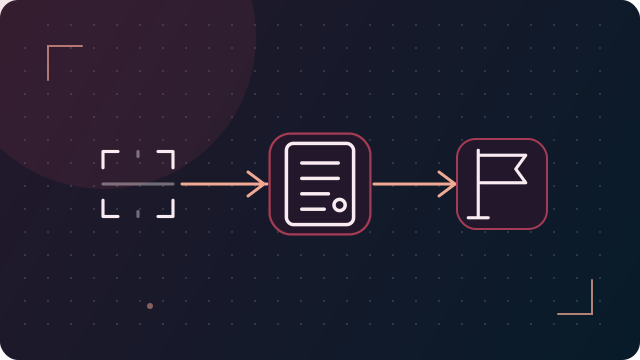
Planned
Define defensive checks appropriate to expressly authorised systems.
Planned
Identify weaknesses covered by the methods selected and validated for the project.
Planned
Assign a priority based on context, severity and potential impact.
Planned
Summarise the finding and the conditions under which it applies.
Planned
Describe options for the team to evaluate before making changes.
Planned
Document how the finding is being addressed and who owns the action.
Planned
Review the original finding after remediation and document the limitations of the check.
Planned
Collect the scope, findings and follow-up actions in a report intended for authorised teams.
Partially confirmed
Assistance with summarising findings or exploring options is under consideration. Teams would remain responsible for validating each recommendation.
This workflow describes a defensive assessment of systems you own or are expressly authorised to assess. Project methods and integrations remain to be confirmed.
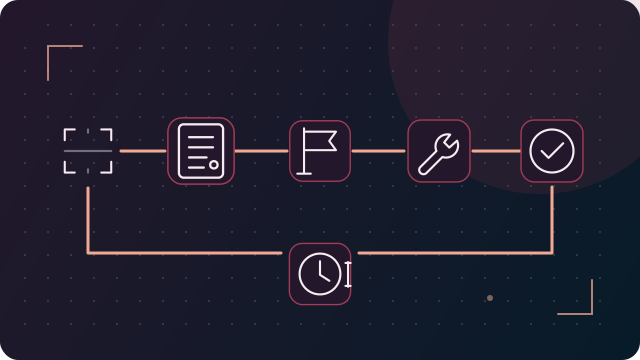
The project connects a finding with a decision, an action and a follow-up check. The report retains the context needed for that review.
Conceptual illustrations of the workflows.
The team defines the authorised systems and explicitly excludes anything outside scope.
A finding is reviewed alongside its potential impact and the conditions under which it applies.
The team records the follow-up check and any remaining questions.
An assessment reports observations at a given point in time. Coverage depends on the checks performed and what could be assessed.
A defensive assessment project designed to document security findings and follow-up actions.
Development, operations, quality and security teams responsible for authorised systems.
Expressly authorised applications and systems covered by the selected methods. Supported environments are still to be confirmed.
No. Results cover only the checks performed within the defined scope and must be read with their limitations.
The planned report would record each finding’s context, priority, remediation options and verification status.
This capability remains unconfirmed. Any suggestion would require human review before use.
The project plans to support a targeted recheck and record its outcome in the follow-up report.
The project is in preparation and has no public access.
Project in preparation. Public access is unavailable.
These separate projects focus on operational tracking and traceability.
Sales management and CRM
View detailsPopulation management and local administration
View detailsTalk to us about assessing and tracking the security of your systems.
Application in preparation